Why regular roof inspections prevent expensive repairs
How a routine roof inspection saves you money and stress
A roof is a complex system of shingles, flashing, valleys, vents, and drainage. Most homeowners and commercial property managers only think about it when something goes wrong: a leak during a storm, a sagging deck, or water stains spreading across a ceiling. By that point, the damage has often spread beyond the original issue, turning a minor repair into a major replacement. A regular roof inspection is the simplest way to catch small problems before they escalate into costly emergencies.
What a roof inspection actually covers
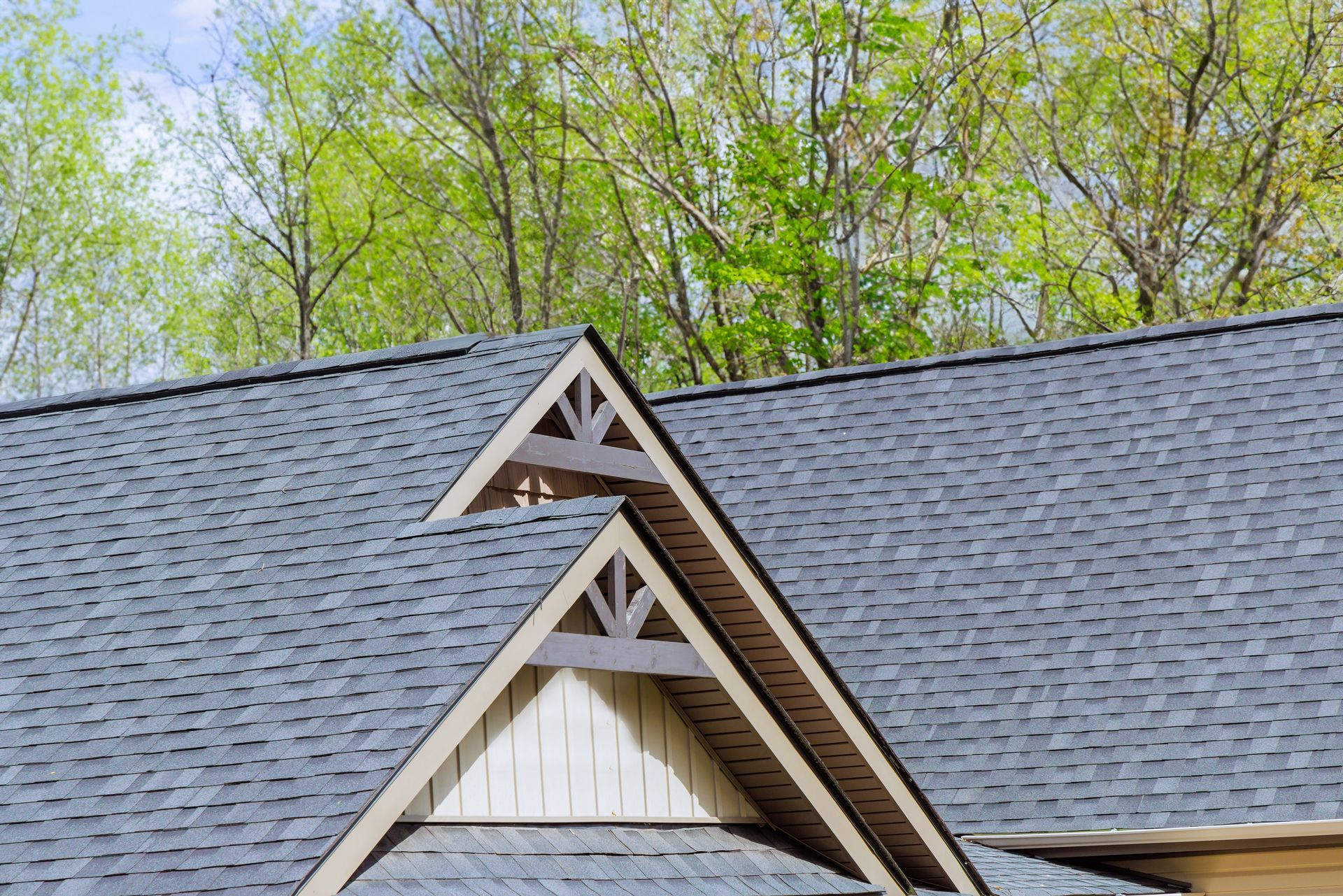
A thorough roof inspection goes far beyond a quick glance from the ground. A trained eye examines the entire roofing system, looking for signs of wear, damage, or improper installation. The inspector will check for cracked or missing shingles, loose or lifted flashing around chimneys and vents, and any gaps in sealant at joints and penetrations. They also look at the gutters and downspouts for debris buildup, which can block water flow and cause ponding on the roof surface. Moss growth and algae staining are common in humid areas, and while they may seem cosmetic, they can trap moisture and accelerate deterioration of the roofing material. Blocked valleys, where two roof planes meet, are a frequent trouble spot because leaves and twigs collect there and hold water against the roof deck. A proper inspection will flag all these issues, along with any signs of interior water damage that might indicate a hidden leak.
READY ROOFING, LLC is also on Pinterest.
How the process works
A professional roof inspection typically starts with an interior check of the attic or ceiling spaces, looking for daylight coming through, water stains, mold, or damp insulation. This gives the inspector clues about where problems might be originating. Then they move outside, walking the roof if it is safe and practical, or using drones and binoculars for steep or fragile surfaces. They examine the roof surface closely, poking at soft spots, checking the condition of flashings, and verifying that all penetrations like vents and skylights are properly sealed. The inspection includes the gutters and downspouts, because a roof that cannot drain properly will fail faster. After the inspection, the inspector provides a written report that describes each issue found, rates its severity, and recommends a course of action. Some issues can wait, others need attention within a season, and a few require immediate repair to prevent water intrusion.
What the findings mean for you
For a homeowner, a regular roof inspection means peace of mind. You know whether your roof is in good shape or needs attention, and you can plan repairs on your schedule rather than in a panic after a storm. For a commercial property manager, inspections are part of responsible asset management. A small leak that goes unnoticed for weeks can damage insulation, drywall, and even the building structure, leading to expensive interior repairs and potential business interruption. The inspection report gives you a clear picture of your roof’s condition, so you can prioritize maintenance and budget for replacements years in advance. It also helps with insurance claims: if a storm hits, having a recent inspection report showing the roof was in good condition before the event can support your claim.
Common problems that inspections catch early
Some of the most frequent issues found during roof inspections are easy to miss until they cause real damage. Loose or lifted flashing around chimneys, skylights, and vents is a top culprit for leaks. Flashing is the metal or rubber material that seals the gap between the roof and a vertical surface, and when it pulls away, water has a direct path inside. Gutters and downspouts that are clogged with leaves, moss, or debris can cause water to back up under the shingles, rotting the deck from below. In heavy rain, a blocked gutter can overflow and saturate the fascia board, leading to rot that requires carpentry work to fix. Blocked valleys are another common find: when leaves and pine needles build up in the valley, water can dam up and find its way under the shingles. Moss and algae growth may seem harmless, but they hold moisture against the roof surface, which can degrade asphalt shingles and lead to granule loss. Over time, that reduces the shingle’s ability to shed water and protect the deck. Sealant around vents, pipes, and skylights dries out and cracks after a few years, and an inspection will catch those gaps before water finds them.
These problems share one thing: they start small and grow slowly. A bit of loose flashing or a partially blocked valley might not leak during a light rain, but during a heavy storm the water finds the weakness. By catching these issues during a routine inspection, you can fix them for a fraction of the cost of a full repair after a leak has caused interior damage.
How often should you schedule an inspection
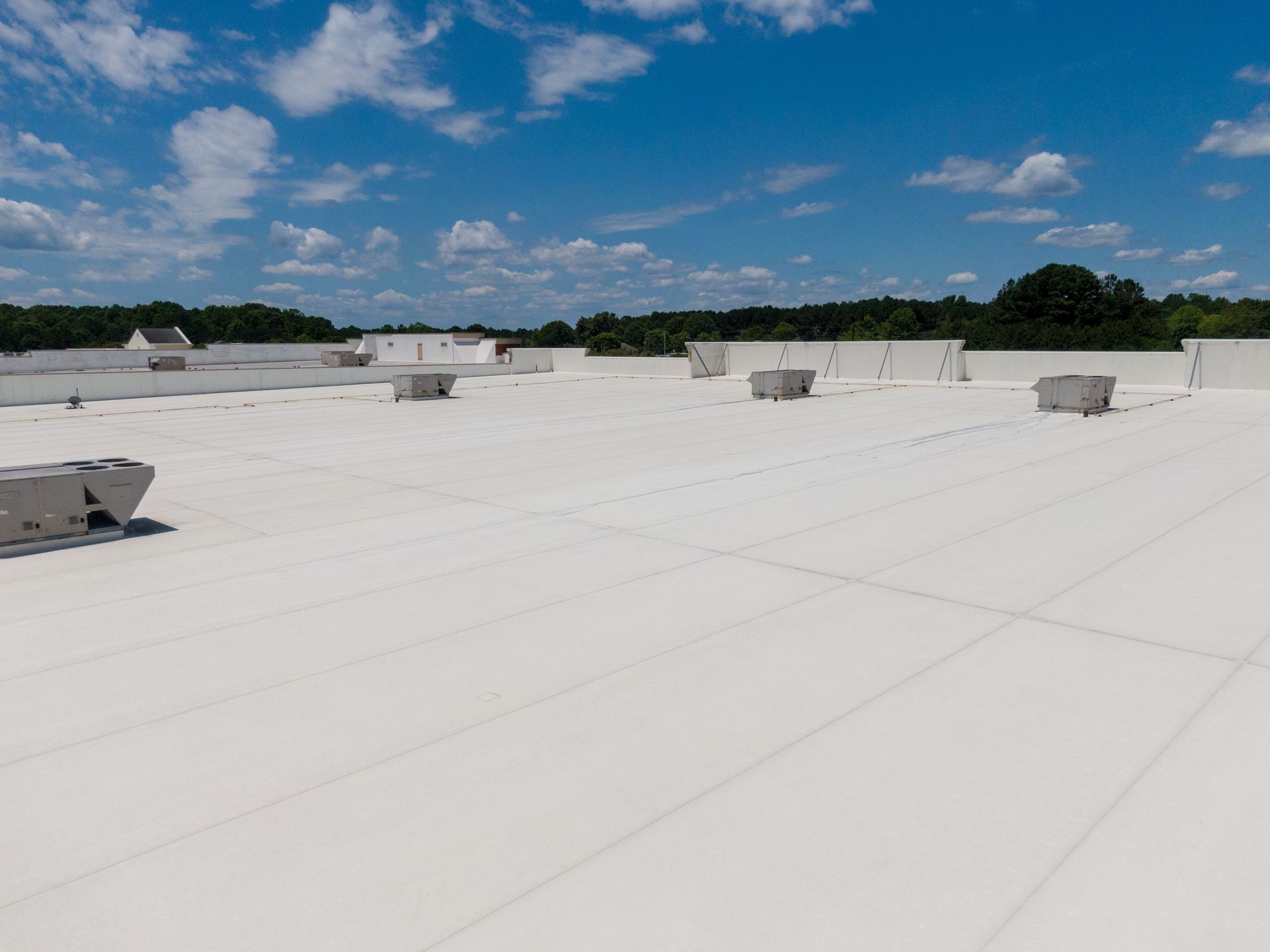
Most roofing professionals recommend a roof inspection at least once a year, ideally in the spring or fall when the weather is mild and conditions are safe for walking on the roof. If your area experiences severe storms, hail, or high winds, it is wise to schedule an inspection after any major weather event. Commercial roofs with flat or low-slope surfaces should be inspected twice a year, because standing water and debris accumulation can cause damage faster than sloped roofs. Properties with overhanging trees or in areas with heavy moss and algae growth may need more frequent inspections, as organic debris and moisture are persistent problems.
What to expect from a professional inspection service
When you hire a roofing contractor to perform an inspection, they will typically provide a detailed report with photographs and a clear explanation of each issue. They should also give you a sense of urgency: which items need attention now, which can wait, and which are simply worth monitoring. A good inspector will not try to upsell you on unnecessary repairs, but they will be honest about the condition of your roof and the risks of delaying maintenance. For instance, if they find a section of shingles that is near the end of its life, they will tell you how much time you likely have before replacement is needed, so you can plan your budget accordingly.

READY ROOFING, LLC offers residential and commercial roof inspections across Northern Florida, and their inspectors look for everything from loose flashing to moss growth, gutter debris, and blocked valleys. They provide clear reports and practical advice, helping property owners make informed decisions about their roofs.
The long-term value of regular inspections
Think of a roof inspection as a health check for one of the most expensive parts of your property. A roof that is inspected every year and maintained promptly can last significantly longer than one that is ignored until it leaks. The cost of an inspection is small compared to the cost of a full replacement, and the peace of mind it provides is real. You avoid the disruption of an emergency repair, the stress of finding a contractor on short notice, and the potential for damage to your belongings or interior finishes. For commercial properties, a well-maintained roof protects inventory, equipment, and the comfort of employees and customers. For homeowners, it protects your biggest investment and keeps your family dry and safe.
Regular inspections also help you get the most value from your roofing materials. Many manufacturers require proof of regular maintenance to honor warranties, and an inspection report can serve as that documentation. If you ever sell your property, having a record of annual inspections and prompt repairs can be a strong selling point, showing potential buyers that the roof has been well cared for.
READY ROOFING, LLC provides roof inspections and related services across Northern Florida. You can reach them at 5105 Philips Hwy Ste 205, Jacksonville, FL 32207, USA, by phone at +1 904-404-9849. They handle residential and commercial roof repairs, replacements, inspections, and storm damage restoration.
In short, a regular roof inspection is a simple, low-cost habit that protects your property from expensive surprises. It catches small problems before they grow, gives you control over your maintenance schedule, and helps you get the longest possible life from your roof. Whether you own a home or manage a commercial building, making inspections a routine part of your property care is one of the smartest investments you can make.